


The choice between debit and credit is usually made from habit. The two differ in ways that matter for protection, cost and behavior.
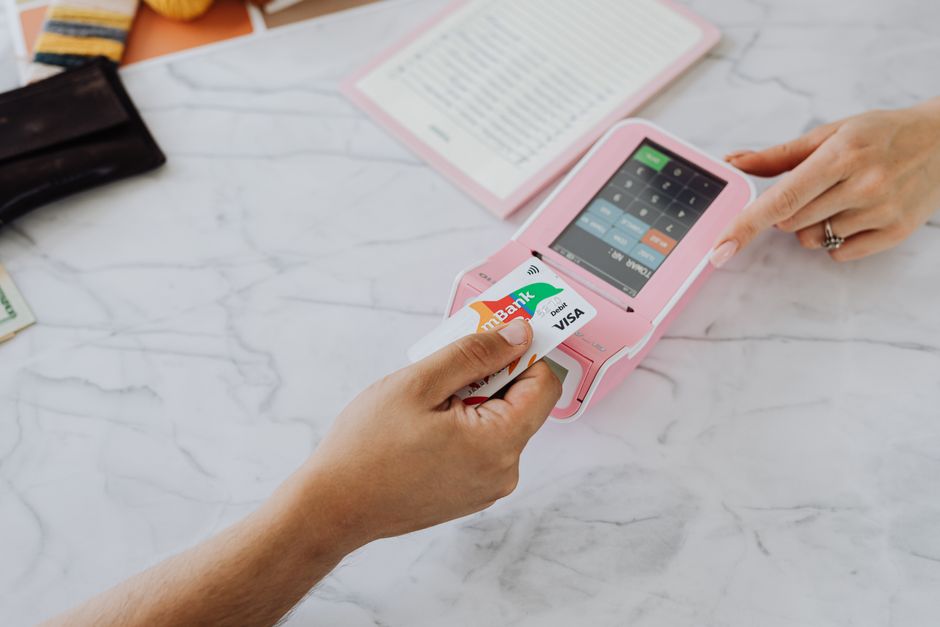
What Actually Differs
A debit card moves money immediately from your account, while a credit card creates a short term obligation settled later. That single difference produces most of the others.
Because debit spends money you have, it cannot create debt or interest charges. This is its main advantage and the reason it suits people who find credit difficult to manage.
Because credit delays settlement, it offers a grace period and a layer between a disputed transaction and your actual money. This is its main advantage and the reason it suits people who pay in full.
Both work identically at the point of sale in most situations. The differences appear afterward, when something goes wrong or when the statement arrives.
Neither is universally better. The right choice depends on the purchase, the protections involved and your own relationship with credit.
Understanding the specific differences lets you choose deliberately rather than defaulting to whichever card is in front.
The physical cards look identical and are frequently issued by the same institution, which is part of why the distinction gets forgotten. What actually separates them is the account behind the transaction and the legal framework that governs a dispute.
Protection When Something Goes Wrong
Dispute rights on credit purchases are generally stronger. The amount in question is withheld from the merchant during a dispute rather than withdrawn from your account while it is resolved.
With debit, the money has already left your account, and recovering it depends on the provider investigation. The protections exist and the practical experience is different because your own funds are unavailable in the meantime.
For fraudulent transactions, both typically limit your liability, though the timing of resolution favors credit. A fraudulent debit transaction can leave an account empty while the matter is investigated.
This matters most for online purchases, travel bookings and anything where delivery or performance is uncertain. A credit card provides recourse that a debit card does not match.
For routine in person purchases at established merchants, the difference rarely matters. The risk being protected against is low in those situations.
A practical rule is to use credit for anything significant, uncertain or online, and either for ordinary local purchases.
Cost and Rewards
A credit card paid in full costs nothing and may earn rewards. A credit card carrying a balance costs substantially more than any reward structure returns.
Debit cards rarely offer rewards and rarely carry costs. For someone who would otherwise carry a balance, that simplicity is worth more than any reward program.
Overdraft charges are the debit equivalent of interest. A debit transaction that exceeds the balance can trigger a fee that exceeds the purchase amount, which makes a buffer important.
Foreign use differs as well. Many credit cards charge no foreign transaction fee while debit cards frequently do, and cash withdrawals abroad on debit can carry several charges at once.
Some merchants place holds on debit transactions, particularly hotels and car rentals. These holds tie up real money for days, which does not happen in the same way with credit.
Interest free periods are the other cost difference worth stating plainly. A credit purchase paid at the due date has held your money for several weeks at no charge, while a debit purchase removes it instantly, which is a small benefit that accrues on every transaction.
The Behavioral Difference
Research consistently finds that people spend more with credit than with cash, and debit sits somewhere between. The effect is real and varies considerably between individuals.
If your own spending is higher on credit, that is a reason to use debit for the categories where it happens. Self knowledge matters more here than general findings.
Debit provides immediate feedback because the balance falls. Credit defers that feedback to a statement, which is where the disconnect between spending and awareness originates.
Using credit successfully requires checking the running balance regularly. Those who do this experience credit much like debit, and those who do not frequently find the statement surprising.
A hybrid approach works well for many households. Credit for fixed costs and significant purchases, debit for variable everyday spending where overspending is most likely.
The point is to choose based on how you actually behave rather than on how the instruments are supposed to work.
The gap between spending and awareness is the real risk rather than the credit itself. Anyone who checks the running balance weekly experiences a credit card much the same way as a debit card, and anyone who does not is relying on the statement to tell them what they already spent.
Practical Recommendations
Use credit for online purchases, travel bookings, large items and anything where you might need recourse. The protection is meaningfully better and costs nothing when paid in full.
Use debit when you want hard limits on spending, particularly if credit has been a problem. The constraint is the feature, and no reward structure compensates for carrying a balance.
Keep a buffer in the checking account regardless. Overdraft charges are the most avoidable fee in household banking and a small buffer eliminates nearly all of them.
Set up automatic full payment on any credit card you use. This converts credit into a payment method rather than a borrowing facility.
Avoid cash advances on credit entirely. They carry immediate interest and fees, which makes them worse than nearly every alternative.
Review which card you use for which purpose once a year. Habits drift, and a few minutes of thought keeps the arrangement matched to how you currently live.
Carry both rather than choosing one permanently. The decision is per purchase rather than per person, and having both available means the right instrument is always at hand without any planning.